
Deconstructing America
What happens when solid ground feels mushy

Today I had a massive “a-ha” moment while doomscrolling Instagram.
Growing up my family was deeply active in the evangelical Christian church. We attended one to two services a week, my parents were involved in various music ministries, and sometimes employed where we attended. As an adult I began attending my own evangelical church where I got heavily into ministry. I also ended up working there after I graduated from college. Eventually I met my spouse at that same place I called home for a decade.
Ten years in and that church crumbled. I had questions. And lots of strong feelings.
I was angry. As a child I saw, firsthand, churches split and fall apart from fraud and sex scandals. When I finally got to select my own church I thought it was the exception. And then it suddenly wasn’t.
I didn’t have a word for it at the time, but in retrospect I was deconstructing what I had been told, and believed, about church and my childhood religious structure. I took my angry questions to seminary. I’m fortunate that the place where I studied made room for those angry questions and even helped me better understand why my own church (and so many others) fell apart. I allowed myself to feel the anger and devastation of that loss around the expectation of what church was supposed to be and who I was supposed to be within it. On the other side I found something truer — acceptance and a sober hope.
When I exited seminary the shape of my faith was wildly different from when I had entered. And when I left my cohort affirmed my vocation as an artist (a gift I didn’t even know to ask for). In my time in seminary I grew a deeper attachment to Jesus and the idea of intimate community, and removed my rose-colored glasses around the infallibility of the church the way patriarchy-built it, outside the wisdom of Jesus.
Fast forward a decade and a half. Today I saw a reel by creator Margherita Pagani. You can view their post here:
Pagani addresses the kind of grief one feels when “… the systems we used to rely on … start crumbling.” Pagani goes on to say that grief extends beyond the thing or system we lost itself, and extends, existentially, to grief around our own identity. Who we thought we were going to become, in the idea of a reality itself, crumbles. It wrecks us. Reflecting back to my own journey in religious deconstruction this checks.
When I heard Pagani describe how this current moment in time feels so exhausting, yet misunderstood, my “a-ha” moment sprang into action. Pagani describes this tiredness as grief over lost futures, which is a significant part of deconstruction. I realized that deconstruction of religion as a system is so similar to the deconstruction any idea, system, or structure.
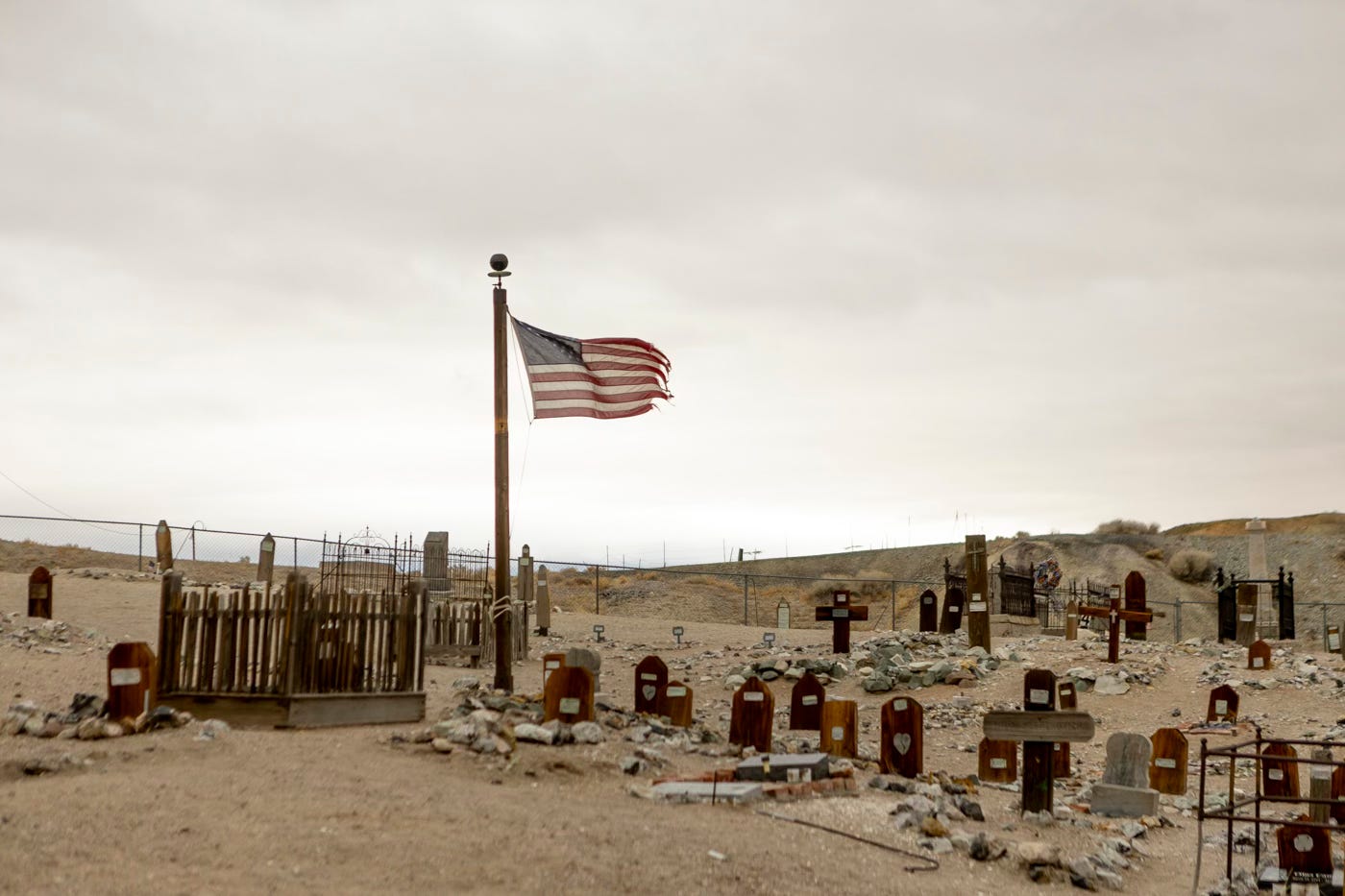
Pagani goes on to say, “Entire plots of possible futures, aspirations, hopes and beliefs we reinforced for decades, are melting like snow in the sun.” Pagani is talking about the grief of this current moment, the melting idealization of what many thought America was; and the parallels to the grief in deconstruction are prominent. The conclusion Pagani offers is to acknowledge the loss, to speak it out loud, and to let go of the future you believed you would live in go. To do so successfully, though, we must also feel the loss of that future deeply.
Deconstruction of any kind — whether it be religious, democratic, or otherwise — requires a kind of brutal self honesty. Moving through deconstruction in hopes of finding a new path forward (reconstruction), while not becoming trapped in the justified rage of it all, requires looking at what is with a sober mind, then allowing yourself to grieve what was supposed to be.
In seminary I grieved the future evangelicalism promised me. I learned over the next decade how to let that false promise go; I learned how to embrace a more grace-filled future with Jesus that looks vastly different than I ever could have imagined.1
The reality we are living in this moment is not fair. It’s filled with terrors, horrors, and unimaginable evil. This isn’t the version of America that many of us thought we lived in when we were growing up.2 Back then, futures were advertised as bright and opportunity-filled for all who sought them out (even if that was not so for many Americans). The reality of this moment is opposite of how many of us were told it was supposed to be. That should make you angry. Feel it. Look at it. Grieve the loss.
I have gone through — and come out on the other side with Jesus — a religious systems deconstruction. I am now entering a new kind of deconstruction around what I thought America was (and how wrong I was about it). I can only invite you into the darkness with me: to see the loss, to get angry over what is and has been for a very long time, and to grieve what you were told/hoped/believed America was.
Maybe then, one day, we can find the hope to build something new together again.
The hymn, “My Hope is Built on Nothing Less,” feels more resonant today than ever before.
Were we wise enough to ask our global majority neighbors, many likely would have corrected those ideas and shown us the horrible truth of what were not hidden realities within their own communities in America.